Share houses often have an image of being places where friendly residents can enjoy conversations and meals together while living under the same roof.
On the other hand, because people with different schedules and values live in the same building, problems can also arise over relationships, noise, cleaning, and how shared facilities are used.
However, this does not mean that trouble happens frequently in every share house. Many problems can be avoided by checking the house rules, management company support, private room locks, cleaning system, and the condition of shared spaces before moving in.
First, we will introduce 10 examples of problems that are not highly likely to occur, but that you could still encounter with roughly the same kind of possibility as being involved in a traffic accident. This does not mean that money problems or interpersonal problems happen frequently in every share house. The first half introduces issues that are not common but can realistically happen, while the second half focuses on problems that are relatively more likely to happen in daily life, such as food, noise, and cleaning.
In the second half of the article, we also summarize points to check before moving in and property conditions you can use when searching based on your concerns about potential trouble.
What you will learn in this article
If you are worried about trouble, search not only by property photos but also by management and facility conditions
When choosing a share house, it is important to check not only the design and rent, but also move-in conditions, private room facilities, security equipment, cleaning methods, and visitor rules.
On SHARE PARADE, in addition to area and rent, you can narrow down properties by conditions such as women-only, security, and private rooms with water facilities.
3. Trouble involving relationships and romance
4. Trouble caused by differences in culture and lifestyle habits
6. Trouble involving theft and other crimes
7. Trouble involving solicitation such as network marketing
8. Trouble with food disappearing
10. Trouble with cleaning and use of shared spaces
11. Points to check before moving in
12. Comparison examples when choosing a property

In a typical share house, each resident pays rent and common service fees directly to the management company or owner. For that reason, problems such as having to cover a housemate’s rent, which can happen in room sharing, are relatively unlikely.
On the other hand, after residents become close, relationships may deteriorate over differences in understanding about repayment timing or amounts, such as when someone pays first for meals out, daily necessities, or lends money.
Even if the amount is small, it is safer to avoid lending and borrowing money between residents as much as possible. If you buy appliances or cookware together, decide in advance who will own them and what will happen when someone moves out.
Also, before signing a contract, check not only the rent but also common service fees, cleaning fees, contract fees, guarantor company fees, move-out costs, and other expenses. This will also help prevent another type of money-related issue: realizing later that your monthly burden is larger than you expected.

Since complete strangers live together, interpersonal trouble can occur. Small arguments or misunderstandings may not be unusual, but if you end up feeling that “my share mates ignore me” or “I am the only one not included,” some people may feel that there is no point in living in a share house.
In these cases, it is unfortunately rare for all residents to sit down calmly, reflect on their behavior, and return the house to a comfortable atmosphere. It takes time to repair strained relationships, and while arguments between children may be simple, arguments between adults can become complicated. Sometimes no one can apologize honestly, and the atmosphere in the share house becomes completely frozen.
It is not only a lack of interaction that can be stressful. Some people feel burdened when the distance is too close, such as being talked to excessively every time they go to a shared area. Just because you live in a share house does not mean you have to become deeply close with everyone. It is also important to live at a distance that feels comfortable for you while greeting others and following the rules for shared spaces.
If the atmosphere does not improve and you feel that your mental well-being may suffer, it may be better to move out rather than force yourself to stay. Also, before moving in, take a good look at the residents and the atmosphere in the shared living room. It is probably best not to move into a share house with a tense atmosphere that is obvious even to an outsider. It is also reassuring to ask how the management company will respond if a problem occurs.
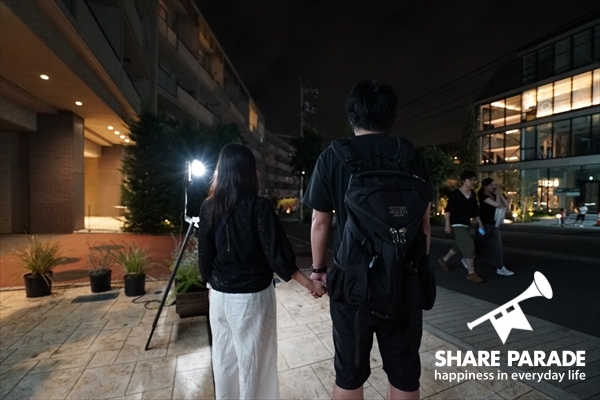
This can be considered one type of interpersonal trouble, but the nature of the issue is quite different. If men and women in their 20s and 30s live in the same house, romantic relationships may develop. In fact, some people have even married someone they met in a share house.
Romance itself is not a bad thing. However, some people seem to forget to be considerate of other residents and spend a long time being affectionate in shared spaces. It would be better if they did that in their private rooms, but... If a particular couple occupies the living room for a long time, other residents may find it difficult to use the shared space.
Also, things may be fine while the couple is dating, but there are many cases where they eventually break up. Not only the people involved, but even other residents who know both of them may get pulled into a somewhat awkward atmosphere. In such cases, it seems that one or both of them may move out.
Another case is when someone brings her boyfriend into her room even though the property is women-only and men are not allowed to enter. That is quite a bold move... If you see this happen, it is better to consult the management company rather than strongly confronting the resident yourself.

Share houses with many international students and foreign residents are popular because they allow people to enjoy international exchange while living in Japan. Some young Japanese people who hope to study abroad in the future also choose such share houses because they can practice English conversation.
However, trouble can also occur because of differences in culture and lifestyle habits. Examples include “someone made loud noise late at night,” “someone entered my private room without permission,” or “someone used my belongings without asking.” Even if the person has no bad intentions, misunderstandings can happen when people have different ideas about what can be shared and to what extent.
Of course, there are many people who would never do such things, and differences in lifestyle habits are not determined only by nationality. Even among Japanese people, standards for noise, cleanliness, and personal distance can vary greatly depending on the family they grew up in and the living environments they have experienced.
If you want to enjoy international exchange, do not check only who lives there. Also confirm whether common rules are clearly established, whether guidance is provided in multiple languages, and whether you can consult the management company when you have a problem. Choose your share house carefully.

In share houses where men and women live together, women may experience sexual harassment. There are stories such as “a man suddenly hugged me,” “someone tried to get into my bed,” or “someone made sexual jokes,” and in some serious cases, someone may even have been pressured into a sexual relationship against her will.
Also, although it is not always possible to verify whether these stories are true, people sometimes hear about hidden camera or eavesdropping incidents. The other person’s claim that “it was just a joke” or “I thought we were close” is not an excuse. Touching someone’s body after they have said they dislike it, repeatedly inviting them, or following them all the way to their private room are serious problems in shared living.
If you want to avoid these kinds of problems, choosing a women-only property is one option. However, it cannot be said that women-only properties have no problems at all. There are also stories of female residents who act like an overbearing senior figure and bully others little by little, or of cliques forming and constant arguments happening.
That said, such cases are in the minority. There are many share houses where women live together on good terms. Before moving in, check the private room lock, how the entrance is locked, visitor rules, and the emergency contact information for the management company.
If you experience sexual harassment and feel you cannot tolerate it anymore, do not try to solve it alone. Record the date, time, and details, and consult the operating company or landlord as soon as possible. If there is a possibility of personal danger or crime, such as physical harm, entry into your private room, or stalking, move to a safe place and prioritize consulting the police or another appropriate authority.
If you are worried about mixed-gender living, compare women-only and security-focused options
If you want to avoid living together with male residents, women-only properties can be one option. If you place importance on security cameras, home security systems, and similar features, also check the security conditions.
However, women-only status or security equipment alone cannot prevent every type of trouble. Check the private room lock, visitor rules, and management company response system for each property.

Crime-related trouble is extremely troublesome. One type of problem often heard about in share houses is theft. There are stories of cash disappearing, and there are also stories of brand-name shoes or watches being stolen.
Even if the item is not very expensive, becoming a victim of theft is deeply frustrating. Umbrellas, cosmetics, earphones, chargers, and other items that make you think, “I can’t believe someone would steal this!” can also disappear. Sometimes it may simply be a mix-up, but to avoid situations where no one knows whose item it is, it is better to put your name on personal belongings left in shared spaces.
As much as possible, keep your belongings where you can see them—in other words, inside your room. Items you absolutely do not want stolen should be stored in a lockable box or similar place. Also, even if it feels a little troublesome, lock your private room every time you leave. Auto-lock entrances, security cameras, private room locks, and delivery boxes can also be factors when choosing a property.
If you suspect theft or entry into your private room, do not search someone else’s room on your own or decide who is guilty and confront them. First, consult the management company. If there is a possibility of a crime, consider consulting the police as well.

Network marketing itself is not necessarily illegal. However, the way people solicit others can sometimes become somewhat aggressive, and if even one person in the house is enthusiastic about recruiting others, the atmosphere can become unpleasant.
Even if you are repeatedly invited to buy products, make investments, or attend outside events, clearly say no if you are not interested. If possible, it is safer not to get too deeply involved. Some share houses prohibit solicitation related to network marketing, religion, product sales, and similar activities in their house rules, so choosing such a house may lower the risk.
In search engines, when people type “share house,” suggestions such as “share house Amway” may appear, and when they type “social apartment,” suggestions such as “social apartment Amway” may appear. It seems that a certain number of people are concerned enough to search for these terms.
If solicitation continues even after you refuse, record the messages and dates, and consult the management company. Rather than putting up with it as a personal problem between residents, it is better to have it handled as a violation of house rules.
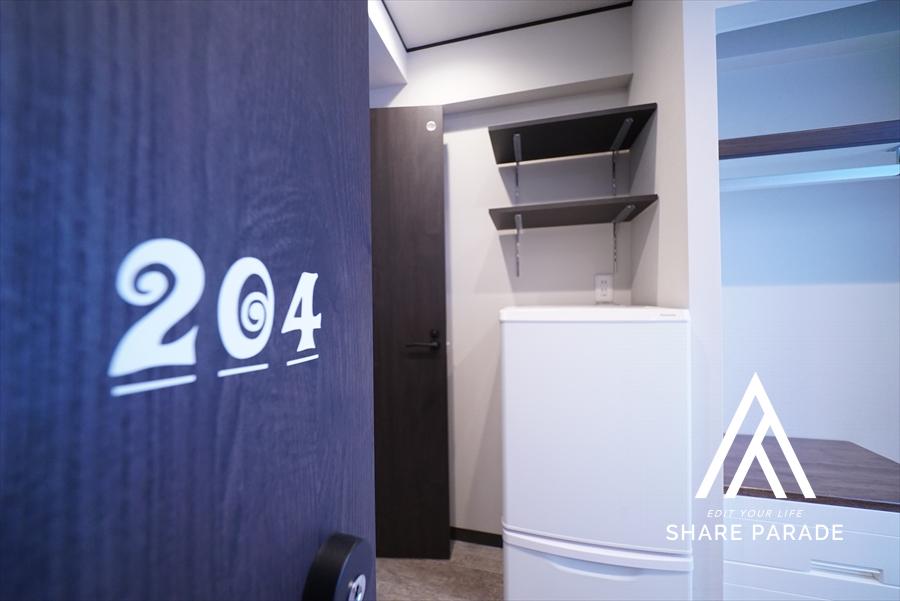
The food you put in the refrigerator is gone. The jelly you saved as a treat after dinner is nowhere to be found. Apparently, another resident ate it. If they apologized or did something afterward, you might still be able to forgive them, but some people apparently act as if nothing happened.
It is not only jelly. Leftovers from meals you prepared in advance may be eaten without your knowledge, or condiments may be used without permission. If several people buy the same drinks or condiments, there may be innocent mix-ups, but if items with your name written on them repeatedly disappear, it is no longer just a simple mistake.
Write your name and the date on your food, and use the designated storage space. To reduce this kind of risk, it may be a good idea to choose a property where the refrigerator is installed in each room rather than in the kitchen. If you often cook for yourself, check during the viewing how the shared refrigerator is allocated and whether private room refrigerators are available.
Also, items that are far past their best-before date or clearly spoiled may be disposed of by the management company for hygiene reasons. If you think your food disappeared, it may actually have been thrown away according to disposal rules, so be careful.
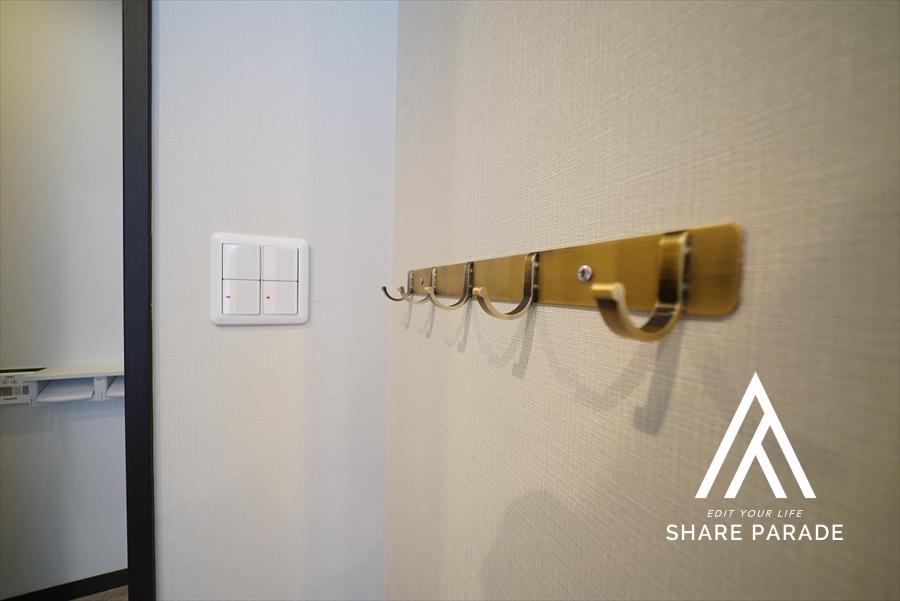
The soundproofing performance of a share house varies greatly depending on the building structure, wall construction, renovation method, and location of the private room. Not only TV and music, but also online calls, alarm clocks, hair dryers, washing machines, opening and closing doors, and footsteps in the hallway can become sources of trouble.
In particular, private rooms near the living room, kitchen, washroom, bathroom, or stairs tend to be more exposed to the sounds of people moving around and using facilities. If you are sensitive to noise, request a room away from shared areas.
Some share houses have rules such as “do not speak loudly in shared areas after 10 p.m.” or “do not use the washing machine late at night.” During the viewing, check the rules regarding nighttime living noise and how the management company responds when rules are violated.
If possible, it is also effective to view the property in the evening or later and check sounds from the hallway, neighboring rooms, and shared areas. Do not judge soundproofing only by the building structure. It is important to check the actual room location and how sound travels.
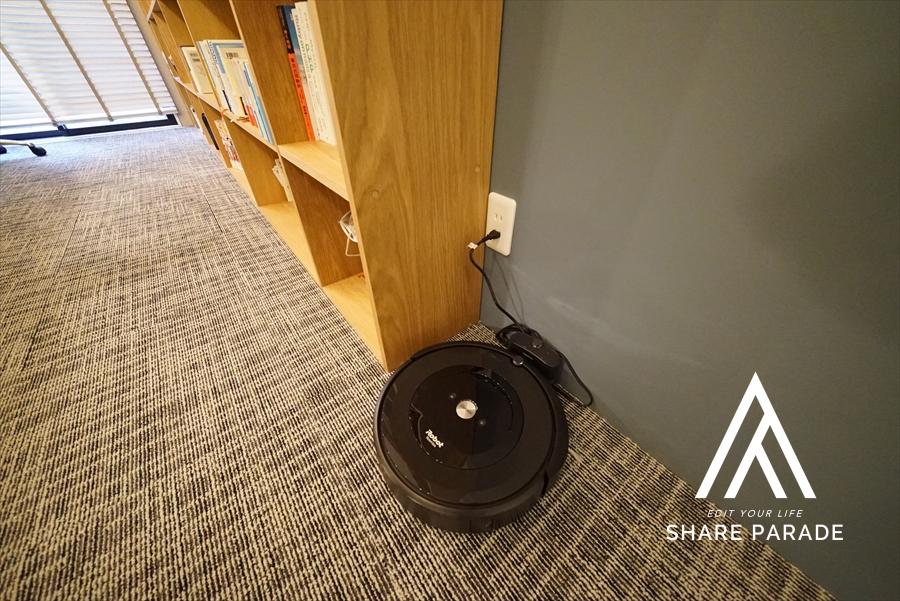
Depending on the management policy, some properties use a duty roster system where residents are responsible for cleaning shared areas. If some people forget their turn or the quality of cleaning differs from person to person, dissatisfaction can easily arise.
In addition, everyday use of shared spaces can become a source of trouble, such as leaving dishes in the kitchen, leaving hair in the washbasin, leaving the toilet dirty, or continuing to leave personal belongings in hallways or the living room.
During a viewing, check the kitchen, washroom, toilet, bathroom, and garbage area. It is important not only to listen to the explanation, but also to see whether these areas are actually organized and cleaned.
For properties where a cleaning company comes in, check the cleaning frequency and the areas covered. Even if professional cleaning is provided, it does not mean that dishwashing or cleaning up areas you personally dirty can be left to them. Also confirm what residents are responsible for.
If you want to reduce how often you use shared water facilities, compare private rooms with water facilities
If your private room has a washbasin, toilet, shower, mini kitchen, or similar facilities, you can reduce how often you use shared water facilities. This condition is suitable for people who want to reduce stress from crowded washrooms in the morning or from the cleanliness of shared areas.
Not every private room has the same facilities, so do not judge only by search results. Check the facilities of the specific room you want on the property page and by making an inquiry.
Although this is not trouble between residents, one issue that has long been viewed as a problem is the so-called “illegal share house” or “gray-zone house.” Such properties may be chosen because the rent is cheap, no guarantor is required, or the location is convenient for transportation. However, some properties raise concerns about building and fire safety, such as housing many people in extremely narrow compartments, having evacuation routes that are difficult to understand, or having insufficient windows and ventilation.
Of course, low rent itself is not a bad thing. However, do not decide based only on price. Check the management company, contract, private room lock, fire safety equipment, evacuation routes, and the management condition of shared spaces. If the explanation does not satisfy you, do not sign the contract on the spot. It is better to compare multiple properties.
This is not something people in the industry say too loudly, but it is sometimes said that property quality and resident quality are somewhat proportional. The higher the quality of the property, the more likely the so-called “resident manners” or overall community quality may also be better. Of course, this is only a correlation and not a causal relationship. It does not mean that higher rent always guarantees safety, nor does it mean that residents of cheaper properties have problems. Still, properties where the building and shared spaces are carefully managed may tend to attract people who value and take good care of that environment.
It is impossible to eliminate all trouble completely, but you can reduce risk through viewings and checks before signing a contract. Check not only the room size and design, but also the following points.
If it is a minor misunderstanding, calmly communicating may solve the problem. However, if you blame the other person or confront them in front of many people, the situation may get worse.
Record when, where, and what happened. For noise or dirty shared areas, keeping photos or videos that show the situation can make it easier to explain the issue to the management company.
Even if the problem is small, if it happens repeatedly, tell the management company early. Other residents may have made the same complaint.
If there is a possibility of personal danger or crime, such as violence, entry into your private room, theft, or stalking, leave the place and secure your safety. If the situation is urgent, do not stop at contacting the management company. Consult the police or another appropriate authority.
No property can guarantee that trouble will never occur. What matters is comparing move-in screening, the management system, private room and shared-area facilities, security equipment, house rules, and other points.
Here, we introduce three share houses as comparison examples where you can check facilities and management information on the property pages. Rent, common service fees, vacancy status, and move-in conditions may change, so please always check the latest information on each property page.


This property has 49 rooms. If you are considering a share house with many residents, this can be one candidate for comparing the size of shared spaces, distance from private rooms, explanations by the management company, resident rules, and other points.
| Property name | Share Reside Aobadai |
|---|---|
| Move-in conditions | Men and women OK・Foreign residents OK |
| Rent | ¥51,000–¥61,000 |
| Common service fee | ¥18,000 |
| Number of rooms | 49 rooms |
| Access | 9-minute walk from Aobadai Station on the Tokyu Den-en-toshi Line |


This is a large-scale share house with 73 rooms. It has a large kitchen, lounge, work space, and other facilities, making it easy to compare if you value how shared facilities are used, management, and security equipment.
| Property name | Share Place Denenchofu Minami |
|---|---|
| Move-in conditions | Men and women OK・Foreign residents OK |
| Rent | ¥68,000–¥75,000 |
| Common service fee | ¥20,000 |
| Number of rooms | 73 rooms |
| Access | 7-minute walk from Numabe Station on the Tokyu Tamagawa Line |


This share house has 41 rooms. Because the property page lets you check facilities such as an auto-lock entrance and security cameras, it can be a comparison candidate for people who value both security and the atmosphere of shared spaces.
| Property name | Clan Terrace Shinagawa |
|---|---|
| Move-in conditions | Men and women OK・Foreign residents OK |
| Rent | ¥75,000–¥88,000 |
| Common service fee | ¥20,000 |
| Number of rooms | 41 rooms |
| Access | 9-minute walk from Oimachi Station, served by multiple lines |
The three properties introduced above are only a few comparison examples. Share houses have different characteristics, such as properties where a small number of residents live quietly, properties where many residents enjoy interaction, and properties with well-equipped private rooms.
Try narrowing down properties by move-in conditions and facilities according to the trouble that concerns you. Since search conditions alone cannot guarantee safety or livability, be sure to also check the management rules on each property page, during viewings, and through inquiries.
For people worried about mixed-gender living
If you want to avoid living together with male residents, you can comparep> If you want to avoid living together with male residents, you can compare women-only properties. Also check the rules for visitors and overnight stays by people of another gender.
For people worried about theft or intrusion from outside
You can compare properties with security cameras, home security systems, and similar facilities. Also check the private room lock and how the entrance is locked.
For people who want to reduce sharing washrooms, toilets, and similar facilities
Private rooms with water facilities can reduce how often you use shared facilities. Check which facilities are included in each room.
For people who value time spent in their private room
If you want not only interaction but also time alone, properties with private rooms of 6 tatami mats or larger can also be comparison candidates.
Combine area, rent, and facilities to find a property that suits you
In addition to conditions such as women-only, security facilities, and private rooms with water facilities, please also consider rent, commute time, and room size when looking for a property where you can live comfortably without strain.
In share houses, trouble can occur over money, interpersonal relationships, romance, lifestyle habits, harassment, theft, solicitation, food, noise, cleaning, and other matters.
On the other hand, there are also steps you can take yourself, such as avoiding lending and borrowing money between residents, locking your private room, following shared-space rules, and consulting the management company early when a problem arises.
When choosing a property, check not only rent and design, but also move-in screening, management system, cleaning method, visitor rules, security equipment, private room facilities, and the condition of shared spaces. If you feel even slightly uncomfortable during a viewing, do not rush into signing a contract. Compare it with other properties as well.
If you first organize the points that make you feel uneasy and then search for a property, it will be easier to reduce mismatches after moving in.
Q. What types of trouble are likely to happen in share houses?
A. In daily life, problems involving noise, cleaning, use of shared spaces, and food in the refrigerator are relatively likely to occur. Money, interpersonal relationships, romance, theft, harassment, and solicitation are not frequent problems, but they are still possible issues you should know about before moving in—roughly the kind of risk you should be aware of in the same way you know that traffic accidents can happen.
Q. How should I choose a share house with fewer problems?
A. Check the private room lock, entrance locking system, security equipment, cleaning method, nighttime noise rules, visitor and overnight-stay rules, rules prohibiting solicitation, and how to contact the management company. It is also important to see whether shared spaces are organized during the viewing.
Q. Are women-only share houses free from trouble?
A. Even in women-only properties, problems involving interpersonal relationships, noise, and cleaning can still occur. However, for people who want to avoid living together with male residents, women-only properties are an effective condition for narrowing down options. Also check rules for visitors of another gender and the management system.
Q. If trouble happens after moving in, what should I do first?
A. Record the date, time, place, and details, and consult the management company as soon as possible. Avoid emotional direct confrontation. If theft, violence, entry into your private room, stalking, or any other possible crime or personal danger is suspected, secure your safety first and consult the police or another appropriate authority.

SHARE PARADE(シェアパレード) の運営責任者です。「EDIT YOUR LIFE ― 今の暮らしをちょっと変えてみる」を合言葉に、**コミュニティのある暮らし(Community Living)**を中心としたシェアハウスを紹介しています。2011年の立ち上げ以来、東京全域で800件以上を現地取材。私自身も一人暮らし/シェアハウス/ルームシェア/ソーシャルマンションを一通り経験しており、一次情報と体験の両方を基準にサイトを運営しています。「住む場所が変われば、ライフスタイルも変わる」。コミュニティがある暮らしの楽しさと安心を、もっと当たり前の選択肢に――それがSHARE PARADEの役割であり、私のミッションです。 I am the administrator of the website 'SHARE PARADE.' Under the motto “EDIT YOUR LIFE—make a small change to your everyday,” we feature share houses centered on community living. Since our launch in 2011, I have visited and reviewed more than 800 properties across Tokyo. I’ve personally experienced living alone, in share houses, in room shares, and in social apartments, and I run the site based on both first-hand information and lived experience. I believe that when your home changes, your lifestyle changes too. My mission—and SHARE PARADE’s role—is to make the joy and peace of mind of community living a more everyday choice.