In Tokyo, there are actually places where stations with different names are connected inside the station or by underground passages, allowing you to use them almost like the same station.
On the other hand, there are also stations with the same name where you still have to walk quite a lot just to transfer, and places that include “Shinjuku” in the station name but are better thought of as separate stations in practice.
For people who have just arrived in Japan for the first time, Tokyo’s stations can be extremely confusing.
“I thought they were different stations, so I spent extra money and time taking a long detour.”
“I thought I could transfer quickly because the station name was the same, but I ended up walking endlessly to the platform and got exhausted.”
“I got lost inside the station and almost ended up late for meeting someone, class, or my part-time job.”
To help prevent these kinds of mistakes, this article summarizes Tokyo stations that are easy to get lost in and stations where you need to be careful when transferring—things you should know before coming to Japan.
What you will learn in this article
If Tokyo stations feel confusing, do not choose housing based only on the “station name” either
When looking for a home in Tokyo, if you judge only by the station name and think “it is close to Shinjuku,” “it is close to Tokyo Station,” or “transfers look convenient,” you may find that the walk to the platform is actually long, or that you need to walk outside the ticket gates. This can make your daily commute to work or school quite difficult.
If you are living alone right after arriving in Japan, a share house with furniture and home appliances, where initial costs are easier to keep down, can also be an option. It is recommended that you search not only by station name, but also by checking the number of transfers to your workplace or school, walking distance, last train, and how easy the station is to understand.
1. Why Tokyo stations are hard to understand
2. Summary of stations that are easy to get lost in and stations where transfers require caution
- Akasaka-mitsuke Station and Nagatacho Station are connected
- Even though it is the same Tokyo Station, the Keiyo Line is quite far away
- Tokyo Station and Otemachi Station are close underground, but they are not the same station
- The Oedo Line at Roppongi Station is deep underground
- JR Shinjuku Station and Seibu-Shinjuku Station are surprisingly far apart
- Kokkai-gijidomae Station and Tameike-sanno Station are almost integrated
- Yurakucho Station and Hibiya Station are connected underground
- At Kuramae Station, even with the same station name, you need to walk above ground
- At Shibuya Station, choosing the wrong exit or line can make you take a long detour
3. How to choose a station and avoid mistakes when looking for housing after arriving in Japan
There are three main reasons why Tokyo stations are difficult to understand.
| Type | Details | Point to note |
|---|---|---|
| Stations are connected even though their names are different | Akasaka-mitsuke and Nagatacho, Kokkai-gijidomae and Tameike-sanno, Yurakucho and Hibiya, and others | They can sometimes be used almost like the same station, but if you do not check the line and ticket gates, it is easy to get lost |
| The platforms are far apart even though the station name is the same | JR lines and the Keiyo Line at Tokyo Station, the Hibiya Line and Oedo Line at Roppongi Station, and others | If you underestimate the transfer time, you may easily be late |
| The names are similar, but the stations are actually apart | JR Shinjuku Station and Seibu-Shinjuku Station, the Asakusa Line and Oedo Line at Kuramae Station, and others | It is risky to assume they are connected inside the ticket gates. You may need to walk above ground |
Once you start living in Tokyo, you will often find that you cannot judge things by the station name alone. Especially if you commute every day to school, work, or a part-time job, it is reassuring to check not only “how many minutes from the nearest station,” but also “how many minutes it takes to reach the platform,” “whether you need to exit the ticket gates,” and “how much walking is required when transferring.”
Akasaka-mitsuke Station and Nagatacho Station are connected
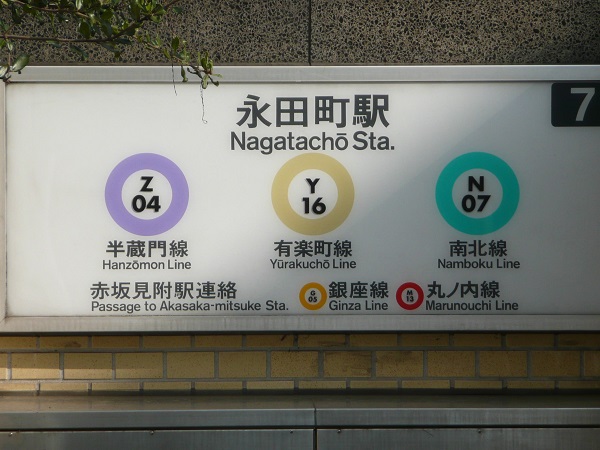
Akasaka-mitsuke is known as an area lined with TV stations, luxury hotels, and restaurants. Nagatacho is famous for places such as the National Diet Library and the headquarters of various political parties.
When seen above ground, these two areas may feel like separate stations, but inside the Tokyo Metro station area, they are connected as transfer stations.
Akasaka-mitsuke Station serves the Tokyo Metro Ginza Line and Marunouchi Line. Nagatacho Station serves the Yurakucho Line, Hanzomon Line, and Namboku Line. In other words, this is a useful combination when you want to transfer from the Ginza Line or Marunouchi Line to the Yurakucho Line, Hanzomon Line, or Namboku Line.
Point to note
Because the station names are different, it is easy to think they are “separate stations” when you first see them. However, for transfers between Tokyo Metro lines, this is quite a convenient combination. When going around Akasaka-mitsuke and Nagatacho, be sure to check the exit closest to your destination.
Even though it is the same Tokyo Station, the Keiyo Line is quite far away
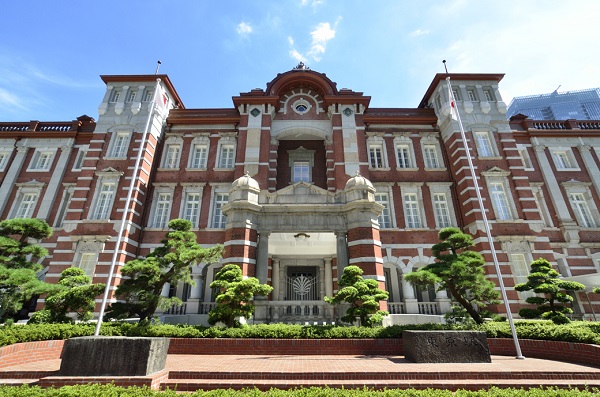
Tokyo Station is one of Tokyo’s major giant stations, bringing together the JR Chuo Line, Yamanote Line, Keihin-Tohoku Line, Tokaido Line, Yokosuka Line, Shinkansen, and more. It is used by many tourists and business travelers, and for people who have just arrived in Japan, even the inside of the station alone can feel quite complicated.
The line you especially need to be careful with is the Keiyo Line. It is often used when going toward Maihama, meaning the Tokyo Disney Resort area, but the Keiyo Line platform is quite far from the other JR platforms at Tokyo Station.
If you assume that you can transfer quickly because it is the same “Tokyo Station,” you will end up walking through a long underground passage, and it will take longer than planned. When transferring from the Shinkansen or Yamanote Line to the Keiyo Line, make sure to allow extra time for the transfer.
Point to note
If you are transferring to the Keiyo Line at Tokyo Station, it is safer not to think, “It is the same station, so five minutes is enough.” During crowded times, when you have a lot of luggage, or when it is your first time there, allowing about 10 to 20 minutes gives you peace of mind.
If you commute to Tokyo Station, Otemachi, or Marunouchi, look for housing while also considering transfer time

When commuting to the Tokyo Station area, not only the distance on the map, but also the line you actually use and the distance to the platform are very important. Tokyo Station, the Keiyo Line, Otemachi, Marunouchi, and Nihonbashi areas have many underground passages, and they are easy to get lost in at first.
Instead of deciding only by rent or walking distance from the station, you can reduce daily stress by checking whether it is easy to reach the nearest exit to your workplace or school, whether there are few transfers, and whether it is easy to move around even on rainy days.
Tokyo Station and Otemachi Station are close underground, but they are not the same station
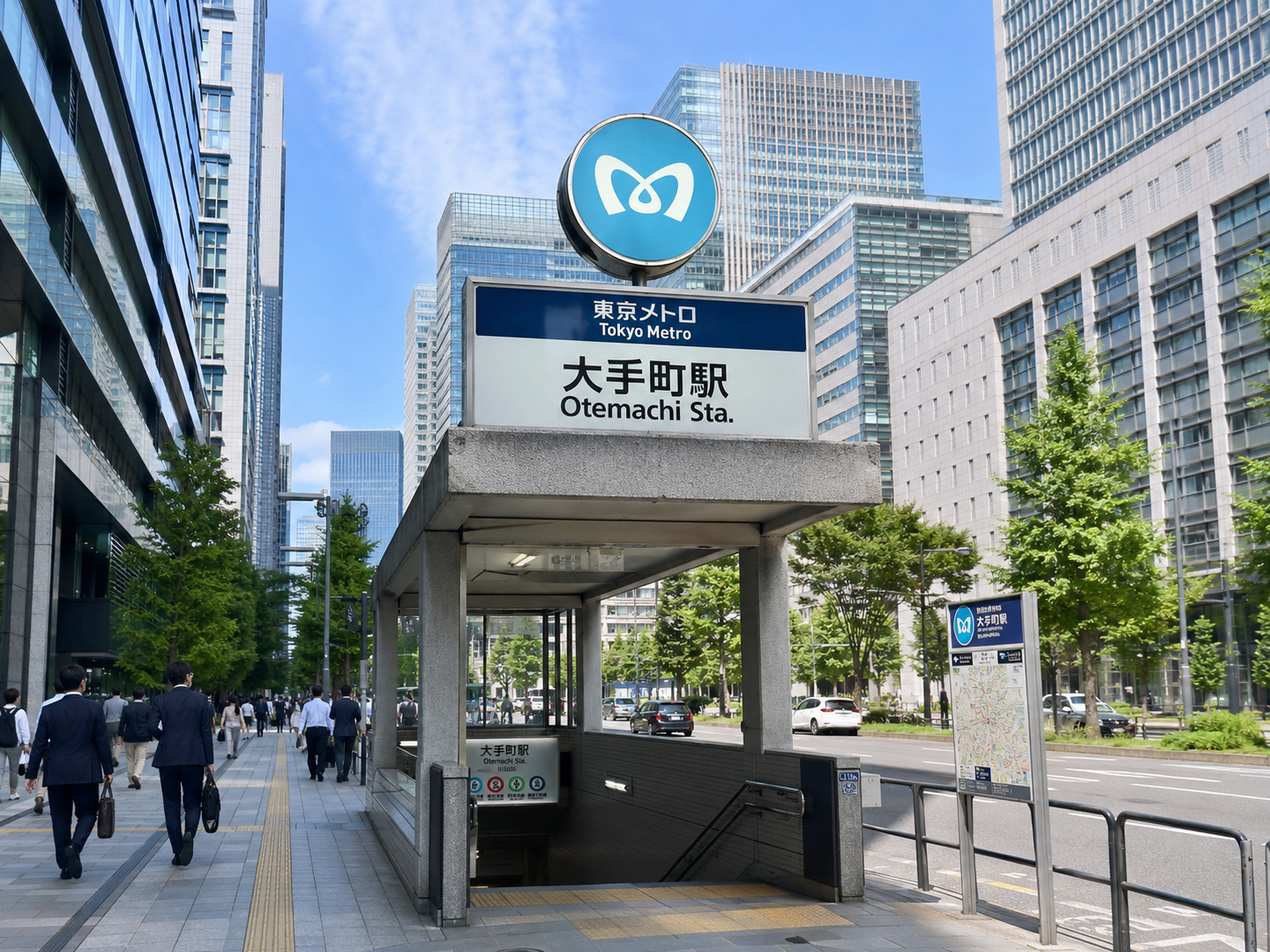
Tokyo Station and Otemachi Station have areas that are connected by underground passages. For people using the Marunouchi side, Nihonbashi Exit side, or Otemachi area, they are easy to move between on foot.
However, Tokyo Station and Otemachi Station are not the same station. Otemachi Station brings together the Tokyo Metro Marunouchi Line, Tozai Line, Chiyoda Line, Hanzomon Line, and Toei Mita Line, among others. Because there are many lines and many exits, if you head there after hearing only “Otemachi,” you may come out on the opposite side from your destination.
If you commute around Otemachi, it is recommended that you check not only the address of your company or school, but also the nearest exit number.
Point to note
Tokyo Station and Otemachi Station are close, but even if someone says “it is right by Tokyo Station,” you may have to walk quite far depending on the exit. Check whether it is on the Marunouchi side or the Nihonbashi side, and which Otemachi line you will use.
Roppongi Station is like a maze
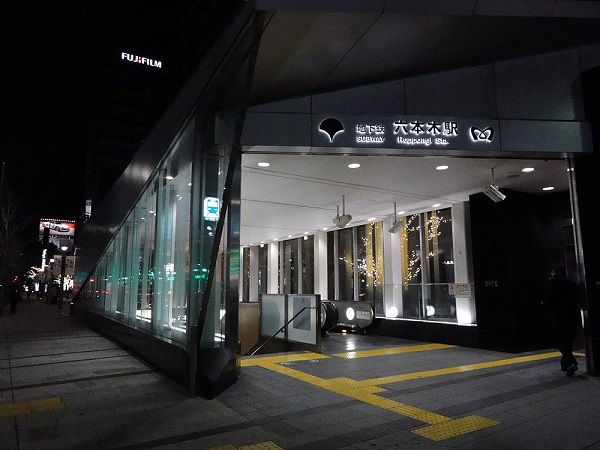
Roppongi is a neighborhood where adults can enjoy themselves into the night, with commercial facilities such as Roppongi Hills and Tokyo Midtown. Roppongi Station serves the Tokyo Metro Hibiya Line and the Toei Subway Oedo Line.
However, Roppongi Station is also known as a station where transfers can be difficult to understand. In particular, the Oedo Line’s Roppongi Station is located deep underground, and you need to travel quite a long way by escalator or elevator to reach the platform.
The Hibiya Line and Oedo Line are both at “Roppongi Station,” but transfers take time. The exit you use also changes depending on whether you are going to Roppongi Hills or Tokyo Midtown, so check the exit number in advance.
Point to note
At Roppongi Station, it is safer not to think of “Roppongi on the Hibiya Line” and “Roppongi on the Oedo Line” in exactly the same way. The exit also changes depending on whether your meeting place is on the Roppongi Hills side or the Tokyo Midtown side.
JR Shinjuku Station and Seibu-Shinjuku Station are surprisingly far apart
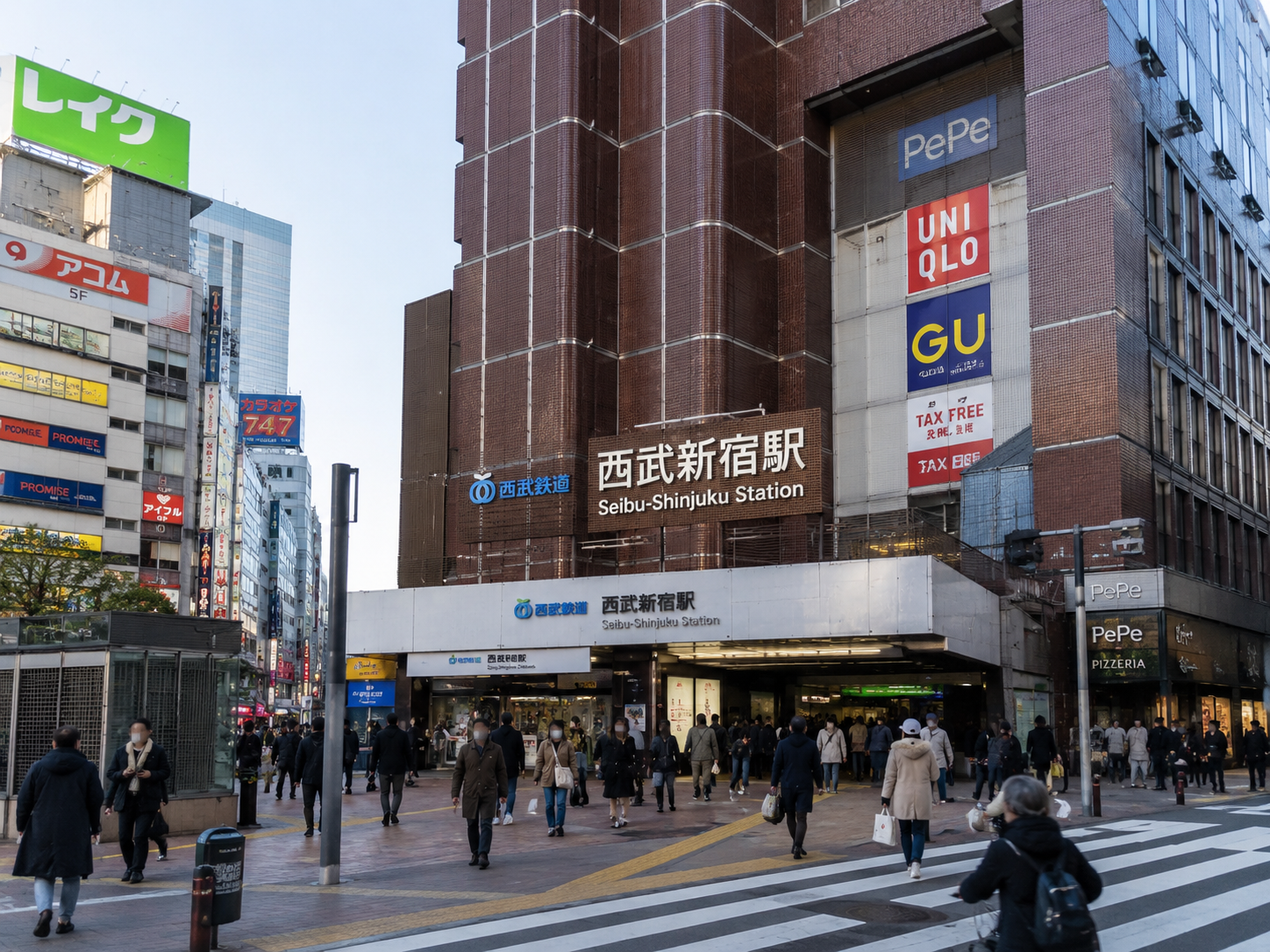
One mistake that people who have just arrived in Japan often make is confusing JR Shinjuku Station with Seibu-Shinjuku Station. Both include “Shinjuku” in the name, but they are not the same station.
Seibu-Shinjuku Station is located toward Kabukicho and Shinjuku Prince Hotel. You can walk there from the East Exit of JR Shinjuku Station, but you cannot transfer directly inside the ticket gates. You need to walk above ground or through underground passages.
If you plan to use the Seibu Shinjuku Line, be careful not to think of JR Shinjuku Station and Seibu-Shinjuku Station as the same station. When you have a lot of luggage, on rainy days, or during busy nighttime hours, the walk can be more difficult than you expect.
Point to note
It is reassuring to allow about 7 to 10 minutes to walk from JR Shinjuku Station to Seibu-Shinjuku Station. If you are taking the Seibu Shinjuku Line, first check how to get not to “Shinjuku Station,” but to “Seibu-Shinjuku Station.”
Kokkai-gijidomae Station and Tameike-sanno Station are almost integrated
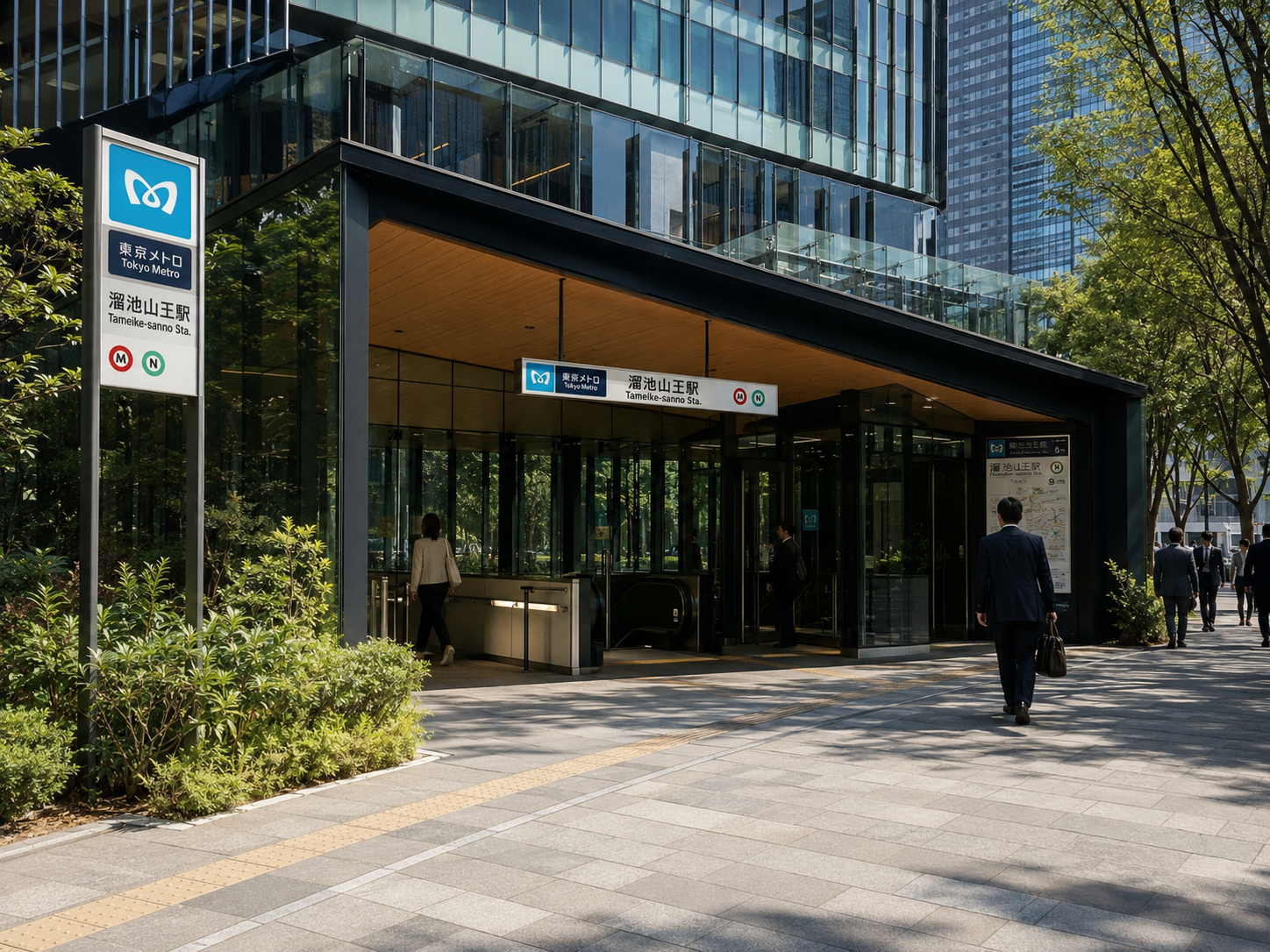
Kokkai-gijidomae Station and Tameike-sanno Station are also representative examples of stations with different names that can be used for transfers.
Kokkai-gijidomae Station serves the Tokyo Metro Marunouchi Line and Chiyoda Line. Tameike-sanno Station serves the Ginza Line and Namboku Line. Although the station names are different, they are connected inside the station area and can be used as transfer stations depending on the line.
This area is often relevant when going toward Kasumigaseki, Akasaka, Nagatacho, or Toranomon. You may use it frequently after you start working, so it is useful to remember.
Point to note
Because the station names are different, it is easy at first to think they are separate stations. However, for people using the Marunouchi Line, Chiyoda Line, Ginza Line, or Namboku Line, it is useful to know this as a transfer option.
Yurakucho Station and Hibiya Station are connected underground
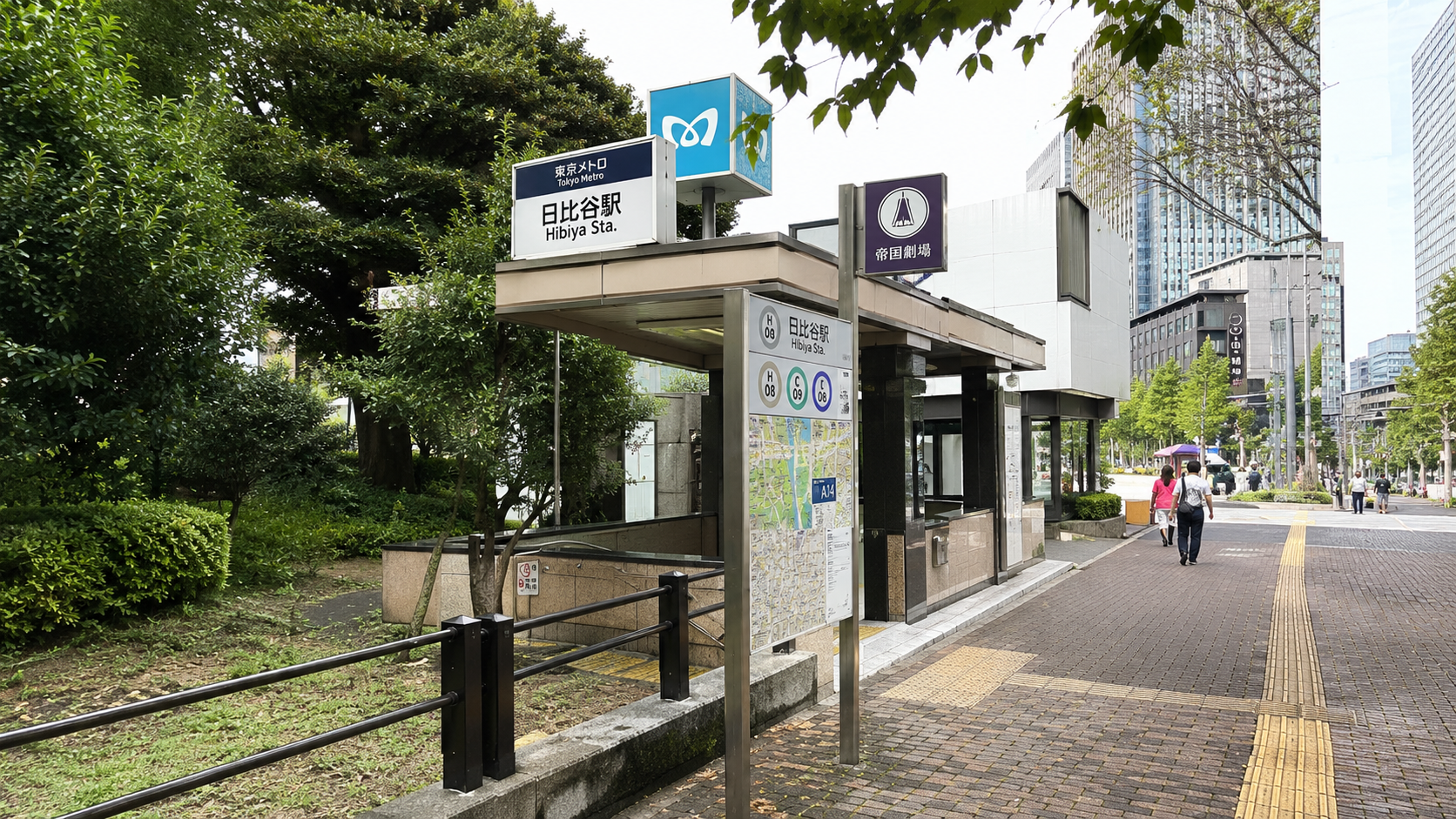
Yurakucho Station and Hibiya Station are also difficult for people who have just arrived in Japan to understand. JR Yurakucho Station, Tokyo Metro Yurakucho Line’s Yurakucho Station, and Hibiya Station on the Hibiya Line, Chiyoda Line, and Toei Mita Line are gathered close together.
When seen above ground, Yurakucho, Hibiya, and Ginza may feel like separate neighborhoods, but there are many places connected by underground passages, making the area convenient to move around even on rainy days.
However, if you are not used to underground passages, it is easy to lose track of where you are walking. When going from JR Yurakucho Station toward the Hibiya Line, Chiyoda Line, or Toei Mita Line, check the exits and guide signs carefully.
Point to note
The Yurakucho, Hibiya, and Ginza areas are connected underground and convenient, but if you choose the wrong exit, you may have to walk quite far. The exit you should use changes depending on whether your destination is Tokyo Midtown Hibiya, Yurakucho Marui, or the Ginza area.
At Kuramae Station, even with the same station name, you need to walk above ground
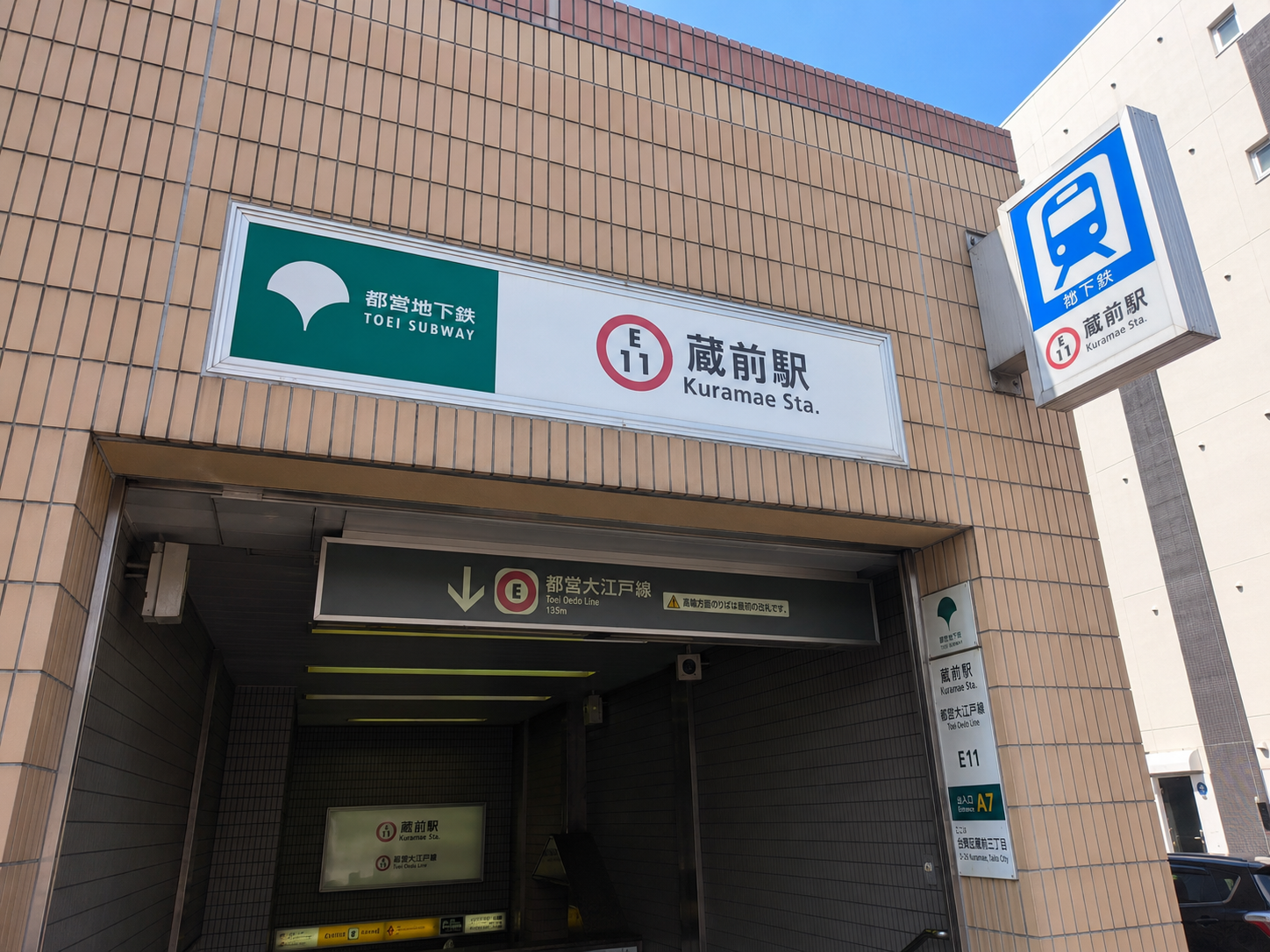
Kuramae Station is served by the Toei Asakusa Line and the Toei Oedo Line. However, even though both are called “Kuramae Station,” the Asakusa Line and Oedo Line platforms are not directly connected inside the ticket gates.
When transferring, you need to exit the ticket gates once and walk above ground. People who are used to Tokyo can move between them without much trouble, but for first-time visitors, rainy days, or when you have a lot of luggage, it may feel a little inconvenient.
Kuramae has many cafés and general goods shops and is also popular as a neighborhood to live in, but if you plan to transfer between the Asakusa Line and the Oedo Line for commuting to work or school, be careful.
Point to note
Even if the station name is the same, it does not necessarily mean the lines are connected inside the ticket gates. If you transfer between the Asakusa Line and Oedo Line at Kuramae Station, consider the time needed to walk above ground as well.
Bakurocho, Bakuro-yokoyama, and Higashi-nihombashi have different names but can be used for transfers
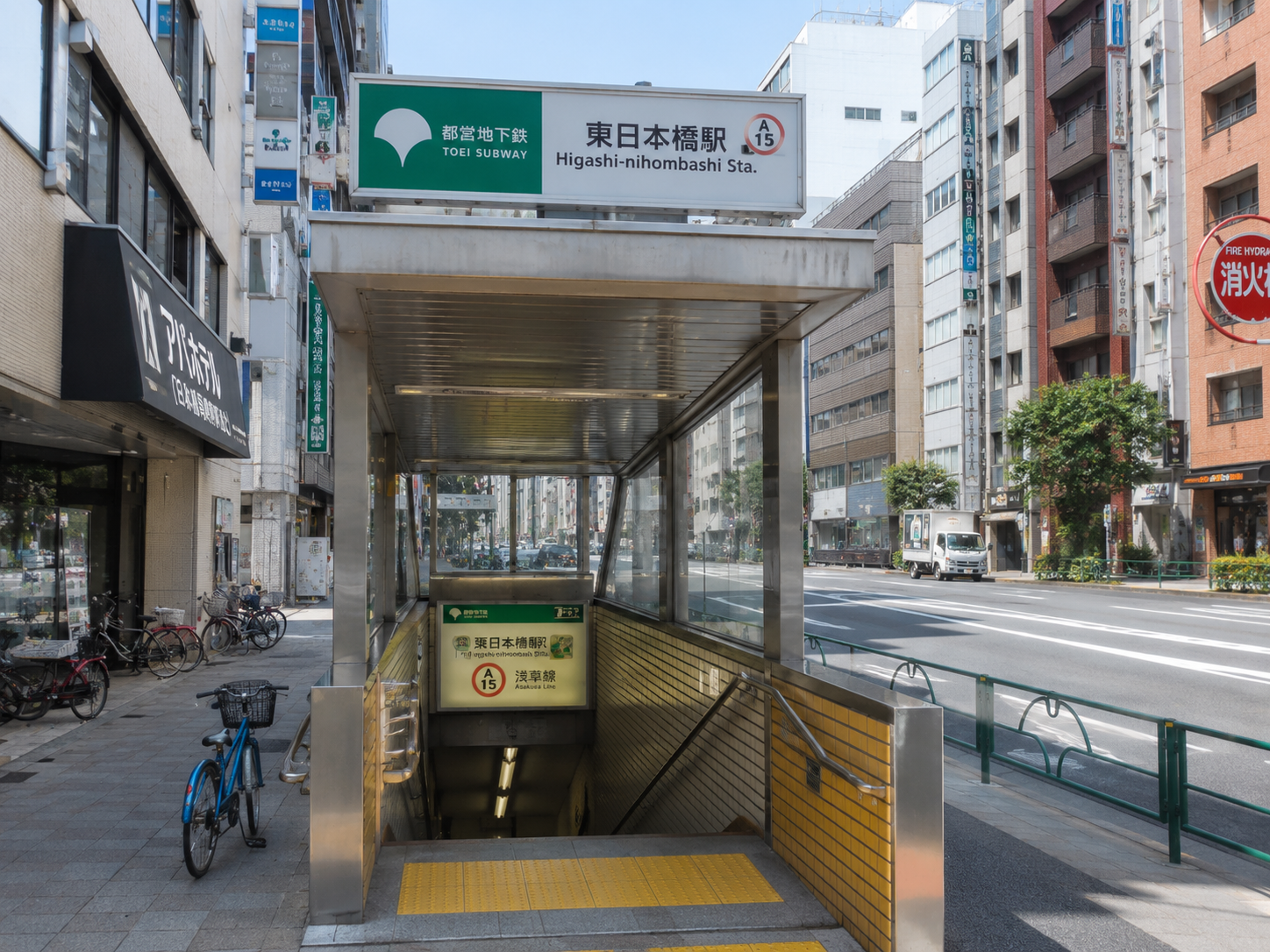
Bakurocho, Bakuro-yokoyama, and Higashi-nihombashi are stations that have different names but are close together and can be used for transfers.
JR Sobu Rapid Line’s Bakurocho Station, Toei Shinjuku Line’s Bakuro-yokoyama Station, and Toei Asakusa Line’s Higashi-nihombashi Station are clustered together, making them very convenient depending on your destination.
However, because there are three station names, it is hard to understand for first-time visitors. Even if they look close on a map app, choosing the wrong line or exit can make you take a detour.
Point to note
Bakurocho, Bakuro-yokoyama, and Higashi-nihombashi may look like separate areas from their names alone, but they are an easy-to-use combination for transfers. If you use the Asakusa Line, Shinjuku Line, or Sobu Rapid Line, it is useful to remember this.
At Shibuya Station, choosing the wrong exit or line can make you take a long detour
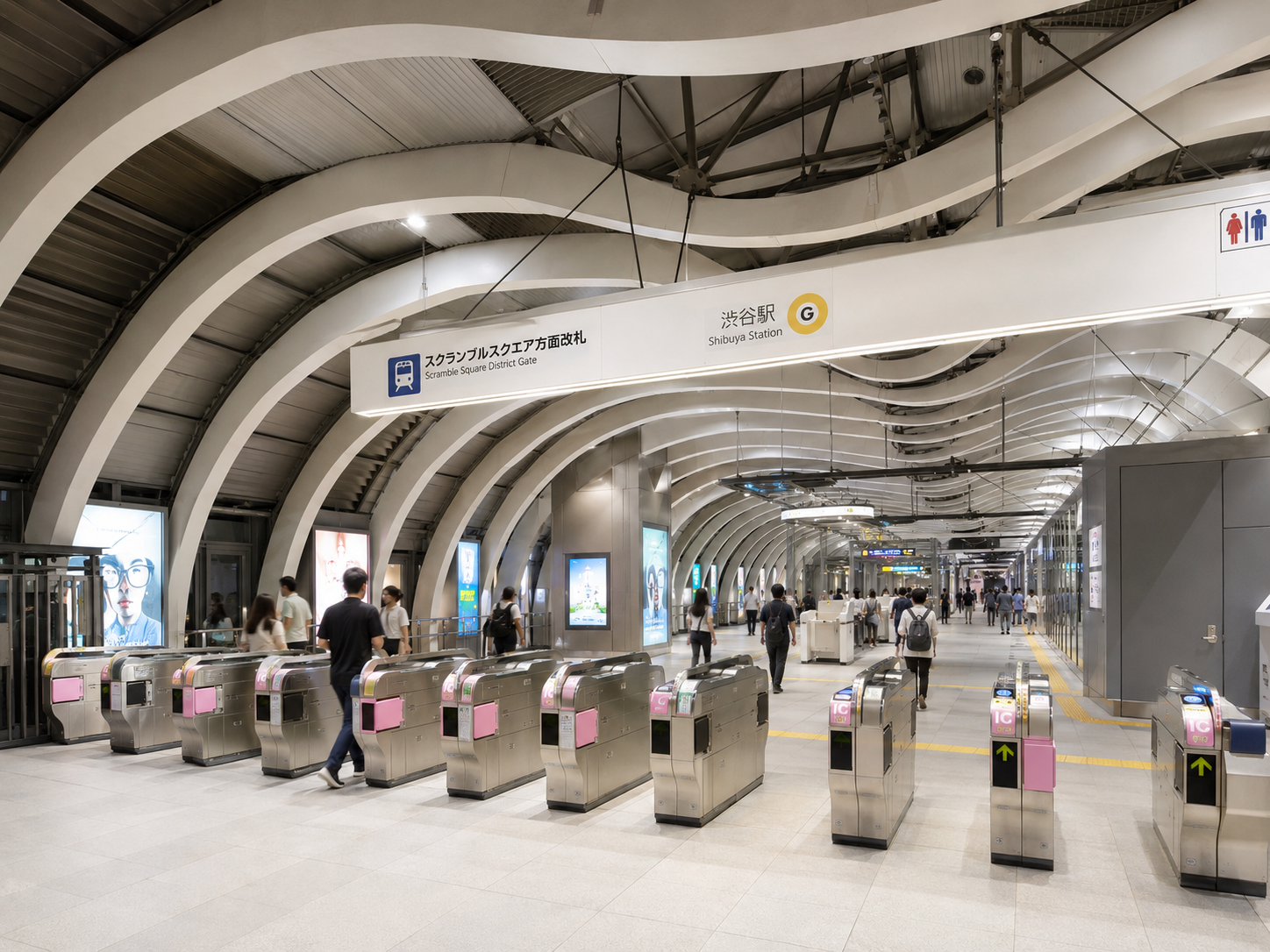
Shibuya Station is a giant station where many lines come together, including the JR Yamanote Line, Saikyo Line, Shonan-Shinjuku Line, Tokyo Metro Ginza Line, Hanzomon Line, Fukutoshin Line, Tokyu Den-en-toshi Line, Tokyu Toyoko Line, and Keio Inokashira Line.
The area around the station is also undergoing redevelopment, and many people find the locations of exits and passages difficult to understand. Hachiko-mae, Miyamasuzaka, Shibuya Hikarie, Shibuya Scramble Square, Dogenzaka, the Mark City side, and other areas all require different exits, and if you choose the wrong one, you may end up walking quite far to your destination.
When meeting someone in Shibuya, do not simply say “meet at Shibuya Station.” Instead, decide on a specific exit or landmark, such as “in front of Hachiko,” “in front of the Hikarie ticket gate,” or “on the Mark City side.”
Point to note
In Shibuya, platform locations differ greatly depending on the line. When looking for housing that is convenient for commuting to Shibuya, it is recommended that you think not only about “how many minutes to Shibuya Station,” but also about the line and exit you will actually use.
When looking for housing in Tokyo, it is safer not to judge only by “how well known the station name is” or the travel time shown in route search apps.
For example, even if a route search says 30 minutes, in reality you may have to walk 10 minutes inside the station, pass through crowds outside the ticket gates, and then walk even farther from the exit to your workplace.
Points to check when looking for housing
Right after arriving in Japan, you will be choosing a room without much sense of the local area. It is difficult to choose the perfect location from the beginning, so it is also realistic to choose a share house where you can start lightly with furniture and home appliances included, then think about your next home after you get used to life in Tokyo.
Right after arriving in Japan, share houses in areas with easy transfers can also be an option
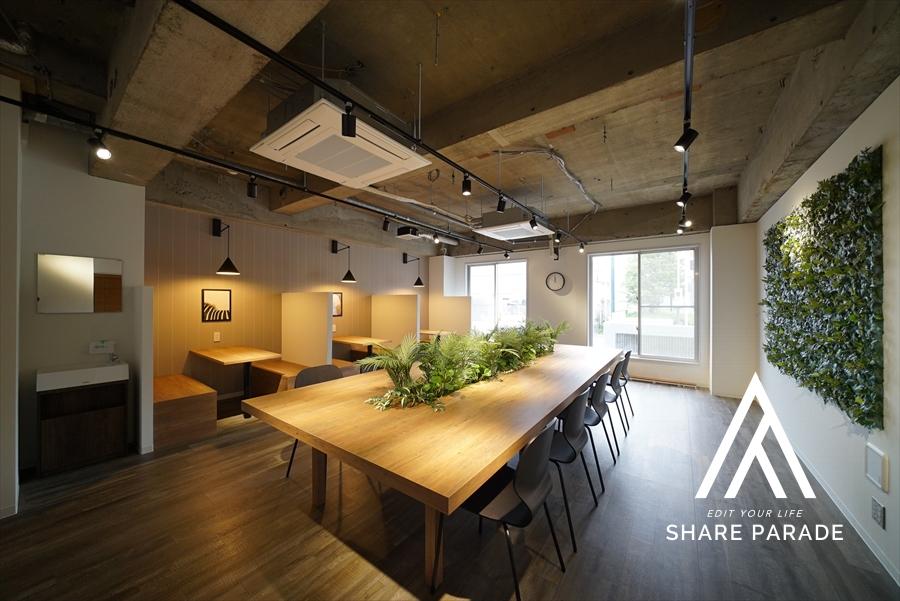
During the period when you are not yet used to Tokyo’s stations, a home that lets you reach your school or workplace on one line or with only one transfer is easier to live in than a home that requires many transfers.
Many share houses come with furniture and home appliances, making it easier to keep initial costs down, so they are also an option that is easy to consider as your first home right after arriving in Japan.
For people looking for their first home in Tokyo after arriving in Japan
If you want to compare properties with furniture and home appliances or properties where initial costs are easier to keep down, it is recommended that you start by searching the list of share houses in Tokyo.
For people who want to search based on the station for work or school
If you value easy access to terminal stations such as Shinjuku, Shibuya, Ikebukuro, Tokyo, and Otemachi, searching by station makes comparison easier.
For people who easily get lost at stations or want to make friends
Large-scale share houses with shared living rooms or large lounges make it easier to find people you can ask for advice and make friends after arriving in Japan.
For people who want to commute to work or school along Tokyo Metro lines
Many Tokyo Metro lines provide strong access toward central Tokyo, making it easier to find housing that is convenient for commuting to your workplace or school.

In Tokyo, there are stations such as Akasaka-mitsuke Station and Nagatacho Station that have different names but are connected inside the station area.
On the other hand, there are also places where transfers take time even with the same or similar station names, such as the Keiyo Line at Tokyo Station, the Oedo Line at Roppongi Station, JR Shinjuku Station and Seibu-Shinjuku Station, and Kuramae Station.
When you have just arrived in Japan, you are not yet used to station layouts, so even a small transfer can become a major source of stress. When checking the time to your workplace or school, consider not only the time spent riding the train, but also the time spent walking inside the station, moving outside the ticket gates, and the distance from the exit to your destination.
The same applies to looking for housing. If you check not only rent and walking distance from the station, but also whether the station you use every day is easy to understand, whether transfers are few, and whether the route home feels safe, life in Tokyo will become much easier.
Q. Are Akasaka-mitsuke Station and Nagatacho Station the same station?
A. The station names are different, but they are connected as Tokyo Metro transfer stations. Akasaka-mitsuke Station serves the Ginza Line and Marunouchi Line, while Nagatacho Station serves the Yurakucho Line, Hanzomon Line, and Namboku Line. The convenient exit changes depending on your destination, so it is reassuring to check the exit number as well.
Q. How much extra time should I allow when transferring to the Keiyo Line at Tokyo Station?
A. If it is your first time transferring to the Keiyo Line at Tokyo Station, it is recommended that you allow about 10 to 20 minutes. Even though it is the same JR Tokyo Station, the Keiyo Line platform is far from the other conventional JR line platforms. Be especially careful when going toward Disney or when you have a lot of luggage.
Q. Are JR Shinjuku Station and Seibu-Shinjuku Station connected inside the ticket gates?
A. They are not connected inside the ticket gates. To get from JR Shinjuku Station to Seibu-Shinjuku Station, you need to walk above ground or through underground passages. It is reassuring to allow about 7 to 10 minutes on foot. On rainy days or during crowded hours, allow even more time.
Q. When looking for housing in Tokyo, is it okay to decide based only on the station name?
A. It is risky to decide based only on the station name. Even at the same station, platforms may be far apart depending on the line, and if you choose the wrong exit, you may have to walk quite far to your destination. When looking for housing, check the nearest exit to your school or workplace, the number of transfers, and the walking time inside the station.
Q. What are the benefits of choosing a share house right after arriving in Japan?
A. Many share houses come with furniture and home appliances, making initial costs easier to keep down. Also, even when you are not yet used to Tokyo’s stations and neighborhoods, you may be able to ask other residents in the same house for information about daily life. One option is to start lightly in a share house at first, then think about your next home after getting used to Tokyo.
Q. How should I look for a share house that is convenient for commuting to work or school?
A. It is recommended that you look not only at the train ride time to your workplace or school, but also the number of transfers, movement inside stations, and walking time from the nearest exit. At first, you are less likely to make a mistake if you search in areas where you can get there without transferring or with no more than one transfer.

東京一人暮らしアドバイザー。 学生時代は下北沢や吉祥寺で過ごし、現在は高円寺在住。 趣味は一人暮らしでもカンタンに作れる、料理・お菓子・パン作り、カフェ巡り、便利でカワイイ雑貨集め。 経験に基づいた一人暮らしの物件探し、防犯情報、お得な節約法・料理術などを提案していきます。最近、シェアハウスへの取材も多く実施しています。 Tokyo Solo Living Advisor. Lately, I have been conducting many interviews about share houses and Japanese language schools.
![[10 Examples] Share House Trouble Cases and Prevention Tips to Know Before Moving In](https://sharepare.jp/upload_images/contents/202607/20260716_6a5861b26b7f20engi7.png "[10 Examples] Share House Trouble Cases and Prevention Tips to Know Before Moving In")