When you arrive in Japan for work or study, life changes overnight. New routines, a new city, new rules, and often a new language. Between onboarding at a company or adapting to university life, commuting, paperwork, and figuring out daily essentials, it can feel like your days disappear before you’ve even caught your breath. If your housing situation drains you on top of that, it’s hard to stay healthy and focused.
A private one-room apartment (a “one-room” rental) offers freedom, but for many newcomers it also means handling high upfront costs, buying furniture and appliances, setting up utilities, and dealing with isolation—all on your own, right at the start. You can absolutely do it, and it’s admirable. Still, for the first six months to a year in Japan, a housing setup that helps you avoid “overdoing it” often leads to a smoother landing and a better overall experience.
That’s why this article compares different types of share houses—community-oriented vs. quiet-focused, small vs. large—so that business professionals relocating to Japan and international students can quickly find a share house that truly fits their lifestyle and priorities.

【Conclusion First】
Go with your intuition. The side with more “Yes” is your basic type.
How to read your results:
・More “Yes” in the upper half (more social) → Social-interaction type
・More “Yes” in the lower half (more quiet) → Quiet-living type
・Half and half → “Quiet-focused + optional interaction only when you want it” is usually the safest choice.
For people newly living in Japan, once daily fatigue builds up after you get home, it can suddenly become overwhelming. That’s why it helps to decide your “best-fit style” first.
| Type | Best for (newcomers to Japan) | Strengths | Cautions | What to check during viewing |
|---|---|---|---|---|
| Community-oriented × Large | Just arrived in Japan; want friends; want to be active on weekends | Easy to meet people / lots of information / events and shared areas often feel rich | Social fatigue / shared spaces can be crowded / sometimes pressure to participate | A “participation is optional” atmosphere / shared-area congestion / quiet-hour rules |
| Community-oriented × Small | Want to connect moderately; prefer a “familiar faces” environment | Close-knit and reassuring / conversations happen naturally / can feel calm | If personalities don’t match, there’s less room to escape | Residents’ vibe / how actively management supports the community / clear contact point for issues |
| Quiet-focused × Large | Want a quiet life, but worry about being completely isolated | Easy to keep distance thanks to some anonymity / interaction is available if needed | With many residents, cleanliness and noise levels can vary by property | Cleanliness of water areas / organized notices / frequency and quality of management |
| Quiet-focused × Small | Need recovery at home; sensitive to noise; have lots of online work/study | Peaceful / simple rules / stable daily rhythm | Loneliness can hit / shared areas may be minimal depending on the house | Room lock, desk, Wi-Fi / quiet hours / clear written shared rules |
(A common early-stage reality for newcomers)
In the first weeks after arriving in Japan, many people feel “battery empty” the moment they get home. So if you want more interaction, it helps to choose a house assuming you will have both days when you want to socialize and days when you want quiet. That mindset makes it easier to avoid burnout.

Most people who want more interaction in a share house fall into these three motivations. Depending on which one is strongest for you, the best type of house changes.
What makes a “good match” for social types is not simply “a lively house,” but an atmosphere where participation is optional and saying no doesn’t create awkwardness.
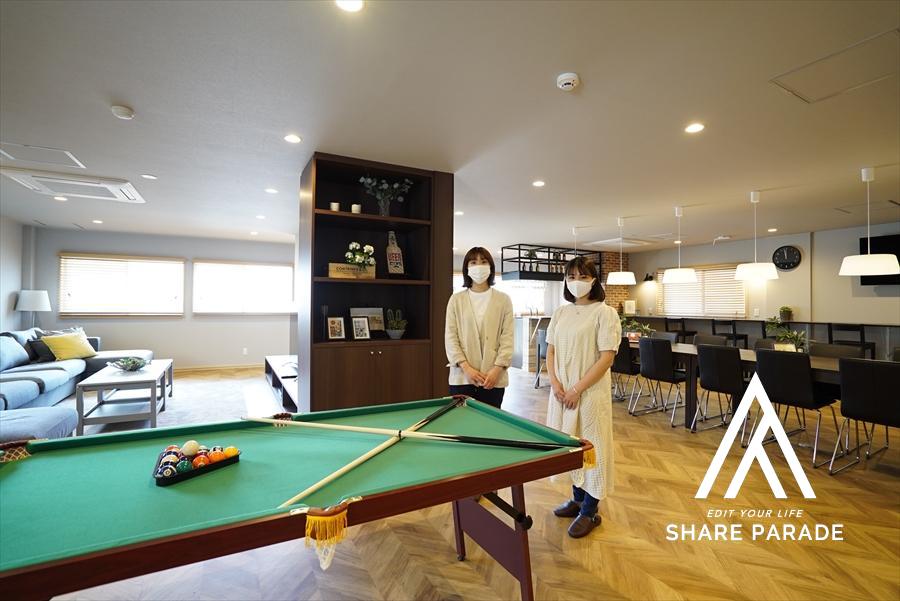
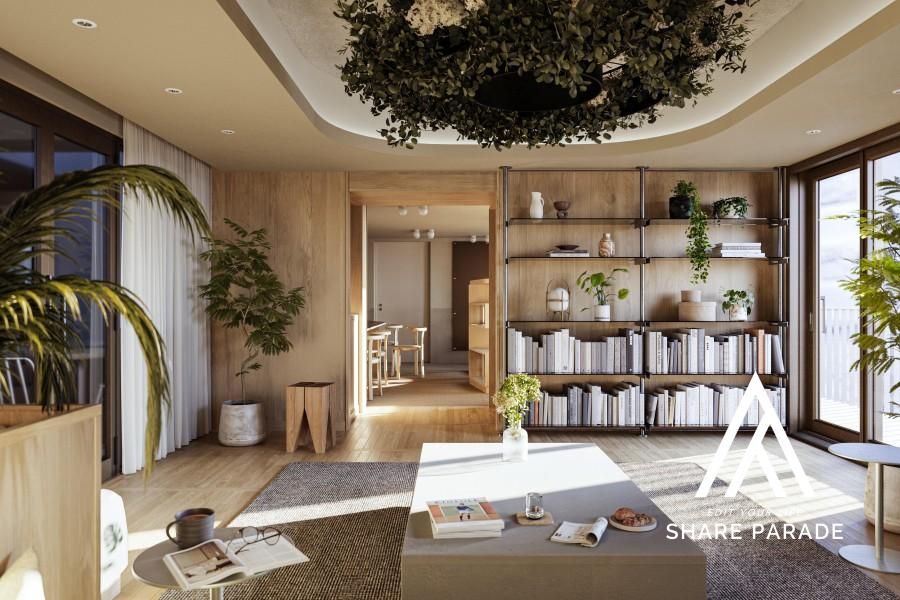
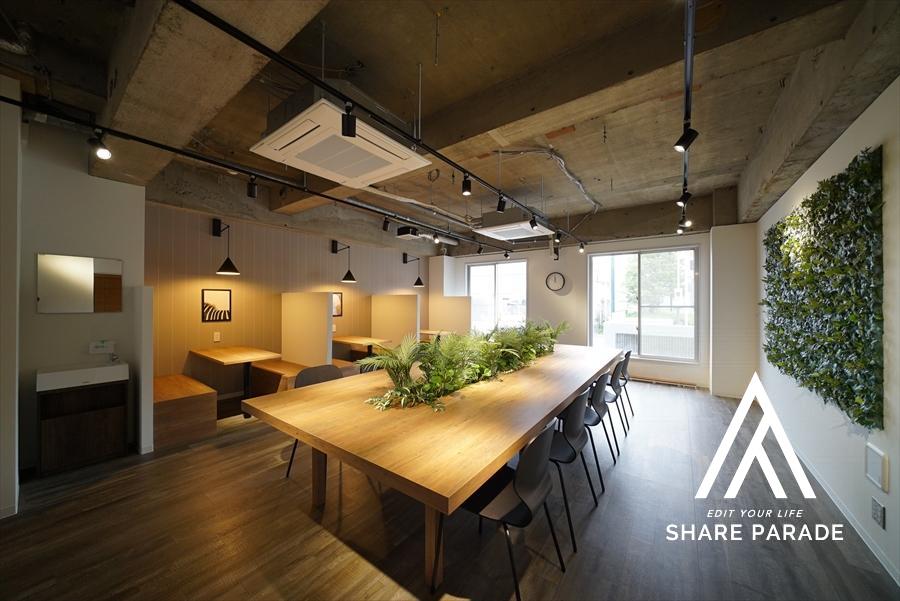
During viewings, look closely at the comfort of the shared areas (places to sit, lighting, flow). Even without events, a house with a real “place to be” naturally creates conversation.
(A small personal story)
In my early days of adjusting to a new routine, there were nights when I truly didn’t have the energy to talk to anyone. Still, just greeting someone as we passed in the living area—and exchanging a few casual words—was enough to bring back the feeling that I wasn’t alone in this. Interaction doesn’t have to be big or intense. For newcomers, it often works best when it’s small but steady.

If you want a quieter life, the wrong choice can drain you. But the good news is that the key points are very clear—so it’s also easier to find a good match.
A common trap for quiet types is choosing only for “quiet = comfort,” and then letting loneliness build up. When you’re new in Japan, it’s easy to fall into a cycle of work/school and home.
That’s why a practical recommendation is a quiet-focused house that doesn’t force “zero conversation”. If the shared spaces are not too cramped and there’s a natural flow for greetings or short chats, loneliness is less likely to hit hard.
Even if you choose “quiet” or “social,” the size of the house changes how it feels day to day. If you’re torn, use this section to decide.
These questions help newcomers avoid big mistakes. Copy and paste them for viewings and inquiries.
The first six months to a year in Japan can be intense—new systems, new expectations, and constant small decisions every day. Your home should not be a place where you “push through with willpower,” but a place where you recover and connect to tomorrow.
If you want interaction, prioritize an atmosphere where participation is optional. If you want quiet, look not only for silence, but also for a layout and culture that prevents loneliness from building up.
A share house can make your start in Japan genuinely easier—if you choose the right type. You don’t have to get it perfect from day one. Start light, settle in, and optimize after you know your real life rhythm. Decide your “best-fit style” today, and make the move to Japan a smoother, more confident beginning.

SHARE PARADE(シェアパレード) の運営責任者です。「EDIT YOUR LIFE ― 今の暮らしをちょっと変えてみる」を合言葉に、**コミュニティのある暮らし(Community Living)**を中心としたシェアハウスを紹介しています。2011年の立ち上げ以来、東京全域で800件以上を現地取材。私自身も一人暮らし/シェアハウス/ルームシェア/ソーシャルマンションを一通り経験しており、一次情報と体験の両方を基準にサイトを運営しています。「住む場所が変われば、ライフスタイルも変わる」。コミュニティがある暮らしの楽しさと安心を、もっと当たり前の選択肢に――それがSHARE PARADEの役割であり、私のミッションです。 I am the administrator of the website 'SHARE PARADE.' Under the motto “EDIT YOUR LIFE—make a small change to your everyday,” we feature share houses centered on community living. Since our launch in 2011, I have visited and reviewed more than 800 properties across Tokyo. I’ve personally experienced living alone, in share houses, in room shares, and in social apartments, and I run the site based on both first-hand information and lived experience. I believe that when your home changes, your lifestyle changes too. My mission—and SHARE PARADE’s role—is to make the joy and peace of mind of community living a more everyday choice.